
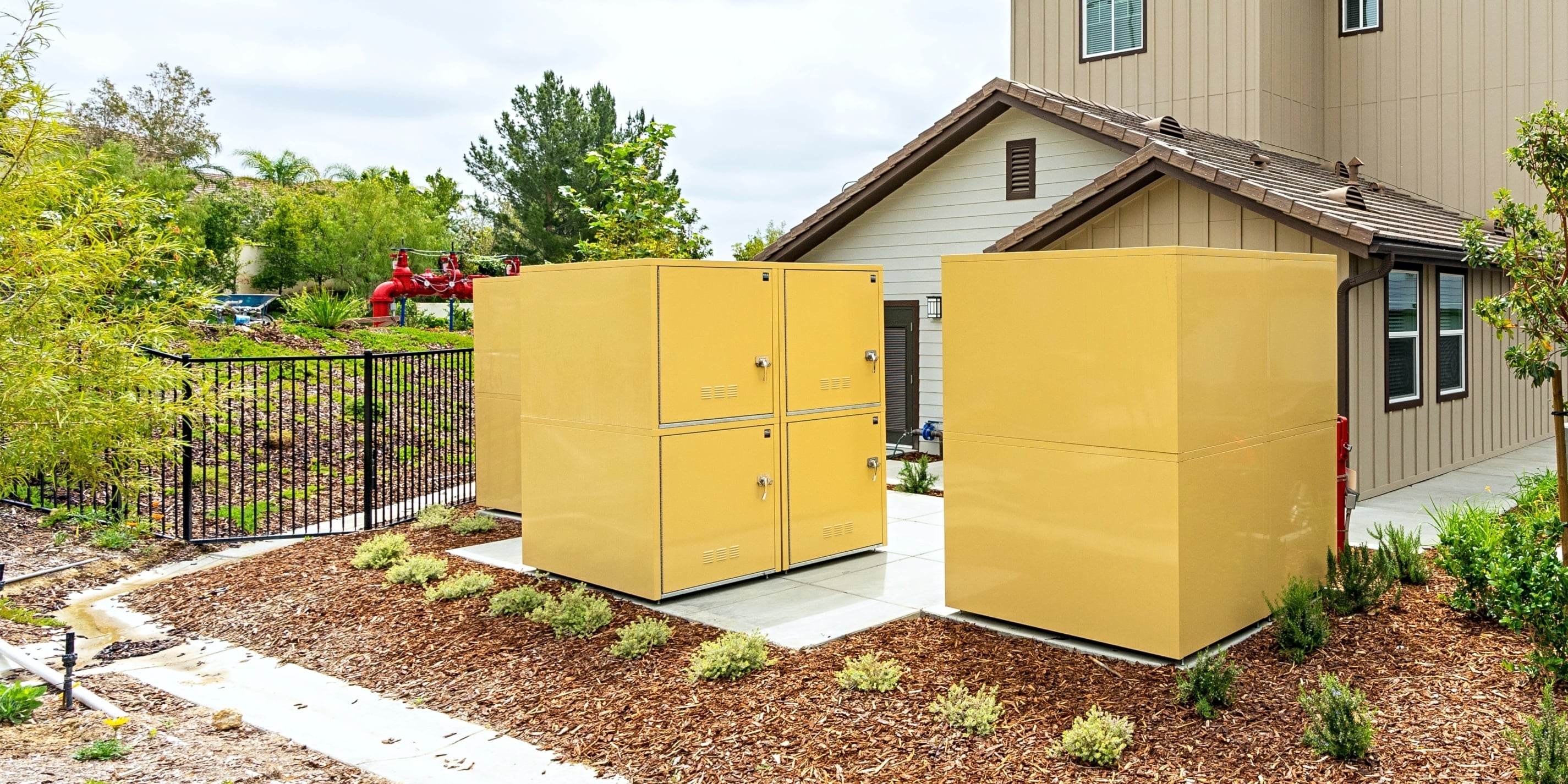
As cycling continues to grow as a preferred mode of transportation and recreation, secure bicycle storage has become an increasingly important amenity for multi-family, mixed-use, and urban developments. Residents aren't simply looking for a place to park a bike; they expect convenient, secure storage that protects their investment and supports an active lifestyle.
Planning for bike storage early in the design process can improve the resident experience, help meet local bicycle parking requirements, and create a more functional property overall.
Whether you're designing a new development or upgrading an existing property, here are seven key considerations to help you create a bike storage solution that works for both residents and your project.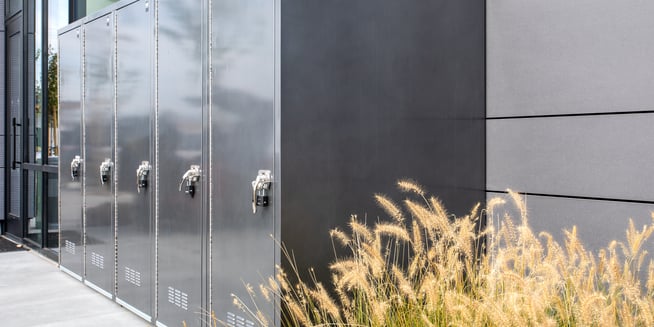
1. Start by Understanding How Residents Will Use Bike Storage
Every development is different, and so are the cyclists who will use it. Before selecting products, consider questions like:
- Will residents primarily commute by bike or ride recreationally?
- Will the property attract students, families, or young professionals?
- Are e-bikes or cargo bikes likely to be common?
- How many bicycles should the property reasonably accommodate?
Understanding who you're designing for helps determine the right combination of bike parking solutions and prevents over or under-building your storage area.
2. Choose the Right Type of Bike Storage
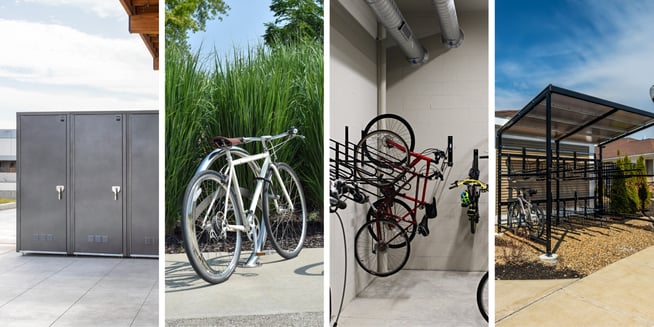 There isn't a one-size-fits-all solution. Many successful developments use a combination of storage options to serve different needs.
| Storage Type | Best For |
| Bike Lockers | Long-term resident storage with the highest level of security and weather protection. Can be used indoor or outdoor. |
| Bike Racks | Convenient short-term parking for visitors or guests. |
| Bike Rooms | High-capacity indoor resident storage with controlled building access. |
| Bike Shelters | Outdoor parking with protection from the elements. |
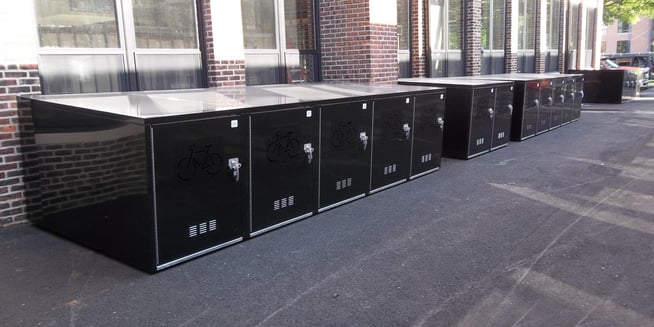
Bike Lockers are often the preferred choice when security is a priority, fully enclosing each bicycle while protecting it from weather and reducing visual exposure.
Madrax handcrafts several bicycle locker configurations, including horizontal, vertical, and divided lockers, to accommodate different site layouts and capacity needs.
3. Location Matters Just as Much as the Locker
Even the best bike storage won't be used if it's inconvenient. When planning your layout, consider:
- Locating storage near primary entrances on accessible walkways
- Providing clear, accessible routes for cyclists
- Ensuring adequate lighting and visibility
- Allowing enough space to comfortably maneuver bicycles
- Considering weather protection where appropriate
Well-planned storage areas encourage daily use while helping residents feel comfortable accessing their bikes at any time.
4. Design for Durability and Long-Term Performance
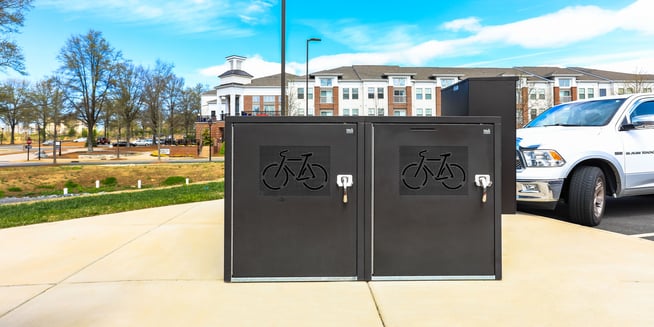
Bike storage is an investment that should perform for years with minimal maintenance.
Look for products constructed from durable materials that can withstand daily use and changing weather conditions, as choosing quality products upfront often reduces maintenance costs & extends the life of the installation.
Madrax bike lockers are manufactured in the USA using durable steel construction. Doors & outer frame panels are constructed with a specific galvanized steel that improves durability and paint adhesion, then finished with one of our standard powder coat colors. Optional dividers and floors are galvanneal and are not finished with a color.
5. Choose Bike Lockers That Can Adapt to Changing Needs
Bicycles continue to evolve, and the storage you specify today should be ready for tomorrow's riders.
Traditional bikes are now sharing spaces with e-bikes, cargo bikes, and bicycles with wider tires or larger frames. While every development won't need to accommodate every type of bicycle, considering future demand during the planning phase can help avoid costly upgrades later.
When evaluating bike lockers, think about:
- Interior dimensions and bicycle compatibility
- Vertical or horizontal storage configurations
- Accessibility for a variety of riders
- Whether charging access for e-bikes may become a future amenity
Planning with flexibility in mind helps ensure your bike storage remains useful as resident needs change over time.
6. Pay Attention to the Details that Improve Security
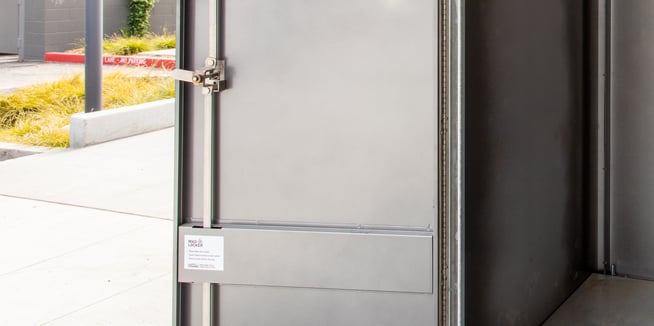 One of the biggest advantages of bicycle lockers is the added level of protection they provide, but not all lockers are designed the same.
Beyond simply enclosing a bicycle, consider the features that contribute to long-term security and reliability, including:
- Durable steel construction
- Tamper-resistant locking mechanisms
- Weather-resistant finishes
- Fully enclosed designs that protect bikes from both theft and the elements
- Locking options that fit your property's management approach, whether keyed, electronic, or resident-supplied locks.
Choosing quality materials and security features helps create a bike storage solution residents will trust and use for years to come.
7. Select a Locker Partner That Supports Your Project
Choosing the right bike locker is only part of the process. Having the right planning resources can make specifying and installing bicycle lockers much easier.
 Look for a manufacturer that can provide:
- CAD drawings and SketchUp models for easy integration into plans
- Technical specifications and installation guidance
- Multiple locker configurations to fit your available pace
- Planning assistance for determining the best layout and capacity
- Durable products backed by knowledgeable customer support
Madrax offers a variety of bike locker options, as well as other bike storage solutions, along with planning tools and technical resources to help developers, architects, and designers confidently specify and install secure bike storage.
Explore the bike locker options at the link below, or contact our team sales@madrax.com for assistance in planning your bike storage space!
Leave a comment on this blog post below!